
Norfolk County Arrest Warrants Explained
An arrest warrant tells an officer to take a named person into custody and bring them before the court. In Norfolk County, one of these follows either a criminal complaint filed in a District Court division or an indictment returned in Superior Court. A judge must first review probable cause and sign. That review sets an arrest warrant apart from a default warrant, which issues after someone misses a court obligation rather than from any new finding about the offense itself.
Rule 6 and Norfolk County Arrest Warrants
Massachusetts Rule of Criminal Procedure 6 sets the rules for how an arrest warrant must look and how it gets served. The paper needs a signature from the issuing official. It must also name the defendant or describe the person well enough to identify them, recite the substance of the offense, and command an arrest before the court. An officer making the arrest need not be holding the warrant at that moment in Norfolk County or anywhere else. On request, though, the officer must show it as soon as reasonably possible, or explain the charge within a reasonable time. The rules also prefer a summons whenever one would secure the person's appearance just as well.
Inside a Norfolk County Arrest Warrant
The Norfolk County warrant itself runs short. The record behind it is longer, mixing what the court document must state with what the state warrant system carries.
| Defendant Identification | The name, or a description sufficient to identify the person if the name is unknown. |
|---|---|
| Offense | The substance of the charge, described in the warrant, with a felony or misdemeanor designation in the warrant data. |
| Issuing Official | The judge or other authorized official who signed the warrant and the court that issued it. |
| Docket Reference | The case number behind the warrant, where a District Court division code such as 55 points to Stoughton. |
| Responsible Police Department | The agency recorded in the warrant system as responsible for serving the process. |
| Command | The instruction to arrest the person and produce them before the court without delay. |
Norfolk County Warrant Court Authority
A District Court can authorize an arrest warrant on a criminal complaint. Superior Court authorizes one after an indictment. That split is why the county's more serious cases run through the clerk's office at 650 High Street in Dedham. Norfolk County Superior Court serves every city and town in the county. District Courts split the same ground into five divisions. Figuring out which court issued the process tells you which clerk to call and which docket number to search.
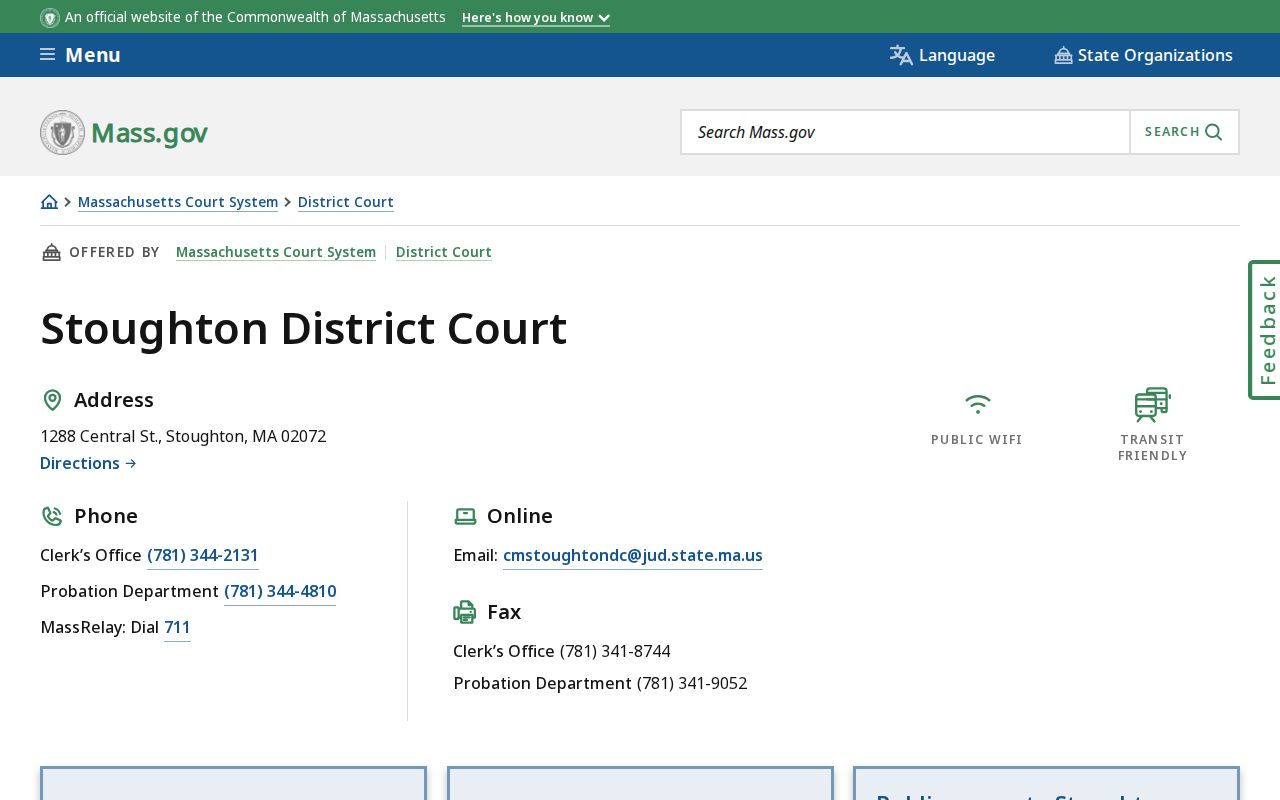
Two courthouses, two clerks, and two different ways for a case to begin.
Serving Arrest Warrants in Norfolk County
Criminal process in Massachusetts can be served anywhere in the Commonwealth by an officer authorized to serve it. So a warrant out of a Norfolk County court can be executed in another county or even on a highway in between. Service responsibility gets recorded with the warrant itself. It usually lands on the police department where the case began or where the person is thought to be. That is why a municipal police department, not the Sheriff, most often makes the arrest on a Norfolk County warrant.
The Norfolk County Police Department on a Warrant
The Sheriff's Office says plainly that it is not an arresting or police authority. Police record checks belong to the city or town department that created the record. When a Norfolk County warrant names a responsible department, that department is the agency to ask about service and any police report in the case.
One sheriff division does serve process, but only in civil matters. The Civil Process Division in Quincy enforces civil judgments. It can serve a capias on a judgment debtor after offering voluntary court dates. That track sits apart from a criminal arrest warrant.
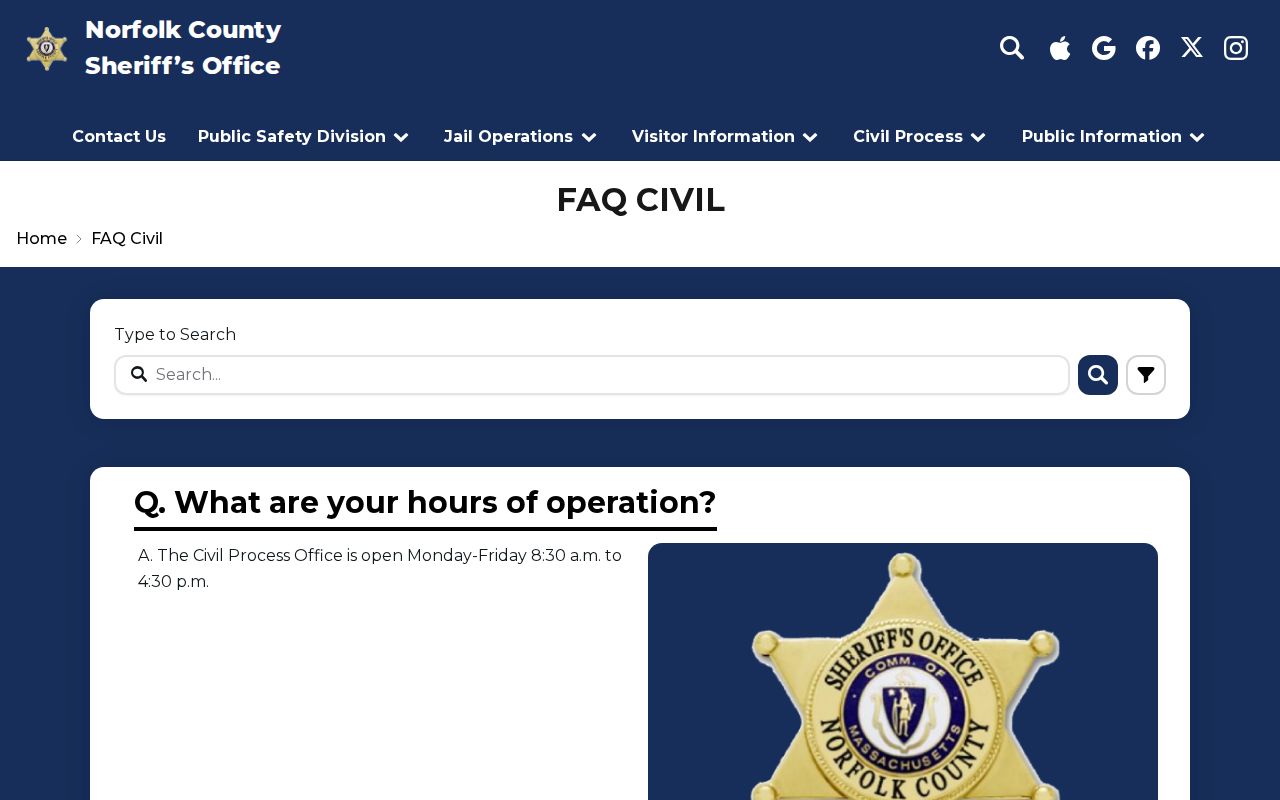
Keep the two tracks apart, because the remedies do not overlap.
Comparing Arrest, Summons, and Bench Warrants
Three documents can reach a person in a Norfolk County criminal matter. Each one calls for a different response.
| Document | What It Means | What to Do |
|---|---|---|
| Summons | A court order to appear at a stated time and place, without an arrest command | Appear, and speak with a lawyer beforehand about the charge |
| Arrest warrant | A command to take the person into custody and bring them before the court | Contact counsel immediately and follow their advice on timing |
| Default or bench warrant | A warrant that follows a missed court obligation | Call the issuing clerk about default removal and recall |
Courts in Norfolk County do not jump straight to a warrant. When a summons goes unanswered, a warrant becomes the likely next step. The choice rests with the court, which weighs the facts of each case.
Bail and Arraignment on a Norfolk County Warrant
Getting arrested in Norfolk County opens a court case rather than closing one. Massachusetts starts from personal recognizance. Bail enters the picture only when the decision-maker finds that release on recognizance will not reasonably assure an appearance. A judge, clerk, bail commissioner, or master may set bail under the statutes. Before anyone walks out, the law requires a check for outstanding warrants, and if several exist, each one must be addressed. Someone denied release may be transported to the issuing court or held at the county jail. The Sheriff's bail counter runs on weekday evenings and weekend afternoons, depends on Bail Commissioner availability, and asks the poster to bring photo identification. Note: paying bail on one warrant clears only that warrant and leaves other warrants or detainers on the same person untouched.
If There Is an Arrest Warrant for You
Stop and plan before you act on a Norfolk County warrant. Talk to a defense attorney first. That conversation covers the charge, the strength of the case, and whether a voluntary appearance, a bail review, or a motion is the safer route. An attorney can often arrange the appearance so the client is not held while the paperwork gets handled.
Important: Do not make factual admissions to police or court staff, and do not pay anyone who calls demanding money to cancel a warrant.
In Norfolk County custody? The court checks warrants before any release and settles other outstanding process then. Family should call the facility about bail first. One payment never clears every warrant or detainer.
A Court Search Cannot Clear a Federal Warrant
Federal warrants sit outside the Massachusetts court system entirely. They never touch the state warrant system either. A federal criminal case runs through the United States District Court for the District of Massachusetts, with federal agencies handling the process. A clean Norfolk County docket says nothing about federal exposure. A search of Norfolk County court records cannot clear a federal matter. If a federal warrant seems possible, get federal counsel. Reach the federal clerk or agency only through a source you have verified yourself. Note: A warrant issued in federal court lives outside the Massachusetts system, so state dockets cannot answer it.