
Norfolk County Municipal Court Warrants
Massachusetts runs its local cases through the Trial Court, not through city departments. So when a Norfolk County town writes a ticket for a bylaw or traffic violation, the matter belongs to the courthouse. The citation itself can go three ways. It may stay administrative, become a civil matter in District Court, or in some cases become a criminal complaint. Each path leaves a different paper trail. A warrant, though, is always a court document. It carries a District Court docket number. That docket number decides where you check, where you pay, and who can confirm the warrant has been cleared.
Norfolk County Municipal Warrants and District Court
Official Trial Court material routes criminal complaints, defaults, and arrest warrants for Norfolk County municipalities to the District Court divisions. So ignore any mention of a Quincy Municipal Court or a Braintree Municipal Court, because those names do not match the Massachusetts structure. Call city hall asking for a municipal warrant clerk and staff will point you to the courthouse instead. That is the practical test. Juvenile cases run through a separate department altogether. Dedham and Quincy Juvenile Court clerks each handle their own municipal groupings, and Stoughton Juvenile Court hears scheduled sessions. Privacy rules keep most juvenile information out of public view. Ask the clerk what can be released.
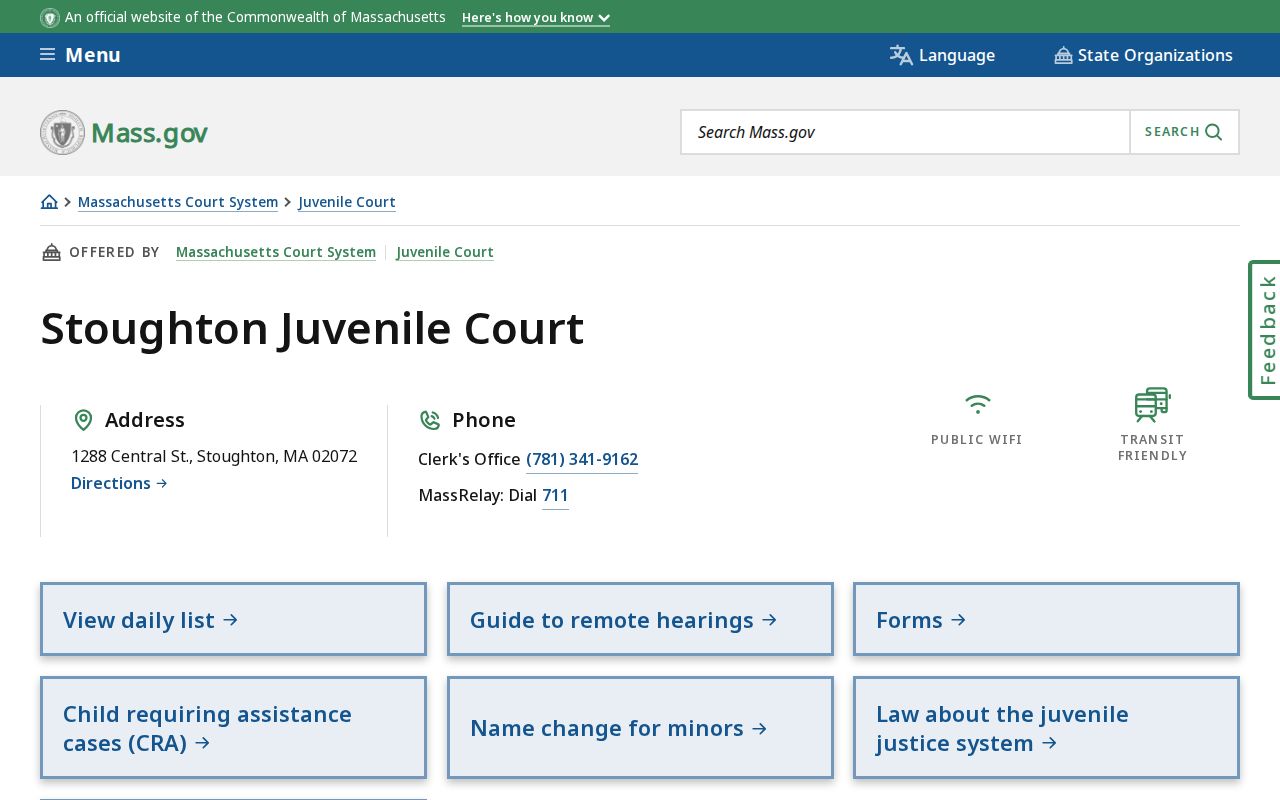
Where a juvenile file exists, the clerk controls what can be released.
Norfolk County Cities With Municipal Courts
None of Norfolk County's municipalities runs a court of its own. Instead, each of the five largest communities has a District Court division or a place in one. That division is the courthouse a resident actually needs.
| Municipality | Court That Handles Its Cases | Community Type |
|---|---|---|
| Quincy | Quincy District Court | City |
| Brookline | Brookline District Court | Town |
| Weymouth | Quincy District Court | Town |
| Braintree | Quincy District Court | Town |
| Randolph | Quincy District Court | Town |
Quincy District Court serves seven municipalities in all, making it the largest intake point in Norfolk County for citations and local complaints. Its location page also lists an Adult Drug Court and a Mental Health Court. Those are specialized sessions. A clerk may route a case into one of them, so ask.
Norfolk County Bylaw Citations and Warrant Track
Not every municipal citation in Norfolk County is criminal. State law says otherwise. Massachusetts lets a city or town enforce many bylaws and ordinances through noncriminal citations, which carry their own payment and appeal procedures, and a noncriminal citation by itself does not create a criminal record.
- Noncriminal citation
- A municipal ticket for a bylaw or ordinance violation that is handled outside the criminal track.
- Civil motor vehicle infraction
- A traffic violation with its own payment, appeal, and default procedure in District Court.
- Criminal complaint
- A charge filed in District Court, which can lead to a summons or, later, an arrest warrant.
- Default
- The court status recorded after a missed appearance or an unpaid court obligation.
The notice tells you which track applies. In Norfolk County, if it names a court and a date, treat it as a court matter and call the clerk before that date passes.
Checking a Municipal Court Warrant
Check the court first, the police department second, the municipality last. Each Norfolk County office holds a different piece of the file.
- Read the citation or complaint for the court name and any docket number.
- Search the matching District Court division on the state's public case access site.
- Call the clerk-magistrate and ask whether the case is open, in default, or resolved.
- Request the police report from the department that wrote the citation if you need the officer's version.
- Ask the municipality only about its own records, such as a citation history or an ordinance file.
Which Norfolk County Warrant Court Serves You
The division follows the town or city where the citation was written. Guess wrong in Norfolk County and a warrant search can look empty when it is not.
Quincy District Court
Braintree, Cohasset, Holbrook, Milton, Quincy, Randolph, Weymouth
(617) 471-1650
Dedham District Court
Dedham, Dover, Medfield, Needham, Norwood, Wellesley, Westwood
(781) 329-4777
In Norfolk County, Brookline District Court covers just the town of Brookline. Stoughton District Court takes Avon, Canton, Sharon, and Stoughton, and Wrentham District Court takes Foxborough, Franklin, Medway, Millis, Norfolk, Plainville, Walpole, and Wrentham.
Inside a Municipal Court Warrant
What a Norfolk County record shows hinges on one thing: whether the citation stayed administrative or became a court case.
| Citation or Docket Number | The municipal citation number, or the District Court case number once the matter is filed, including a division code such as 56 for Quincy. |
|---|---|
| Violation | The bylaw, ordinance, or motor vehicle infraction named in the citation. |
| Issuing Municipality and Court | The city or town that wrote the citation and the District Court division holding the case. |
| Status | Pending, defaulted, resolved, or recalled, as recorded by the court. |
| Amount Owed | The fine or assessment, plus any fee the court adds on a default. |
What Norfolk County Police Confirm on Warrants
A municipal records desk in Norfolk County can confirm only what its own department created: an incident report, an arrest report, a citation, or a daily log. Whether a court default stands is another matter. The court holds that record, so ask there.
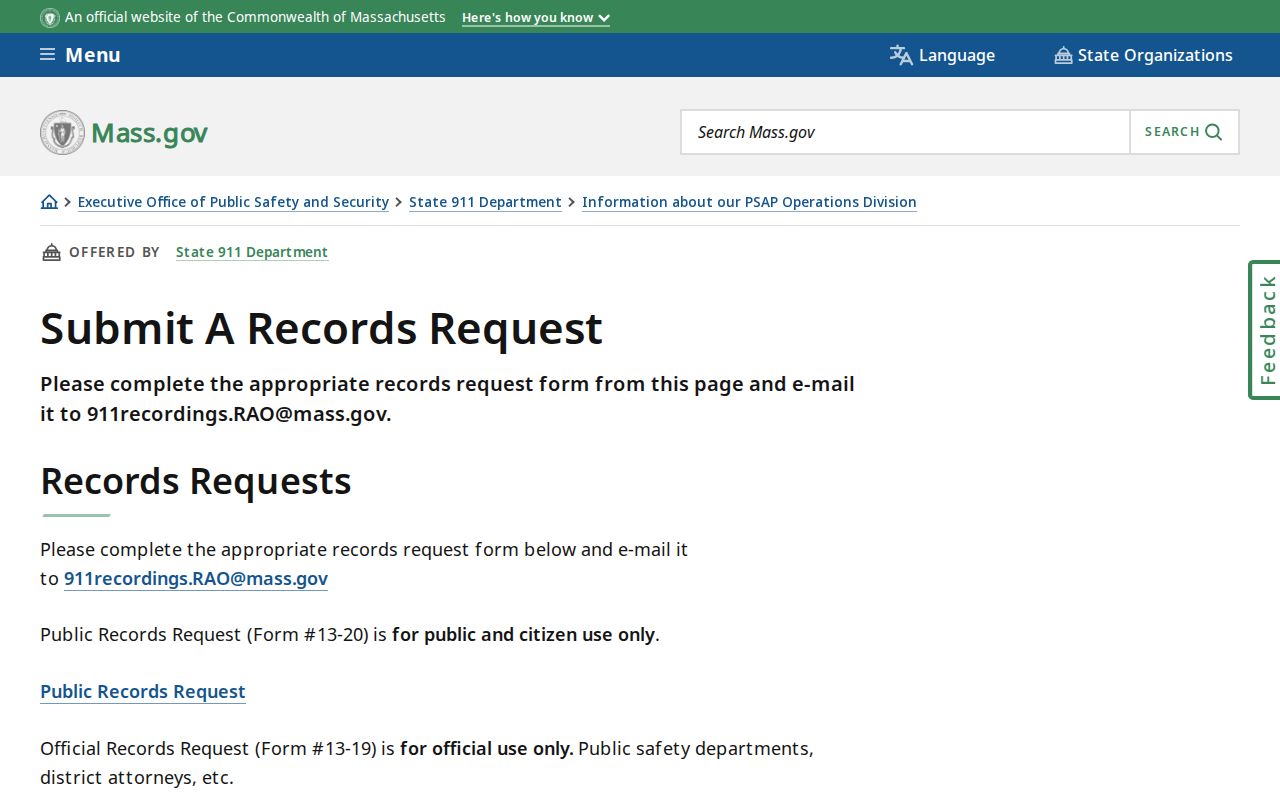
Keep records requests specific. Name the report type, the date, the location, and the incident or citation number if you have one. Police records go to the police. Court records go to the Norfolk County court. Note: a city hall office can hand over a report, but it cannot change what a court has entered.
How to Resolve a Municipal Court Warrant
A city citation that turned into a default clears the same way as any other Norfolk County default warrant. The issuing court removes the default, and the warrant is recalled. Some defaults are payment-only. If the clerk confirms the balance is the only issue, you may not need an appearance at all.
Caution: Paying a fine does not automatically recall a warrant. Ask the clerk to confirm the discharge before you consider the matter closed.
The court's electronic payment system handles some court fees. That is all it does. Whether a payment discharges your Norfolk County default is the clerk's call, so ask the clerk, keep the receipt, and request the notice in writing.
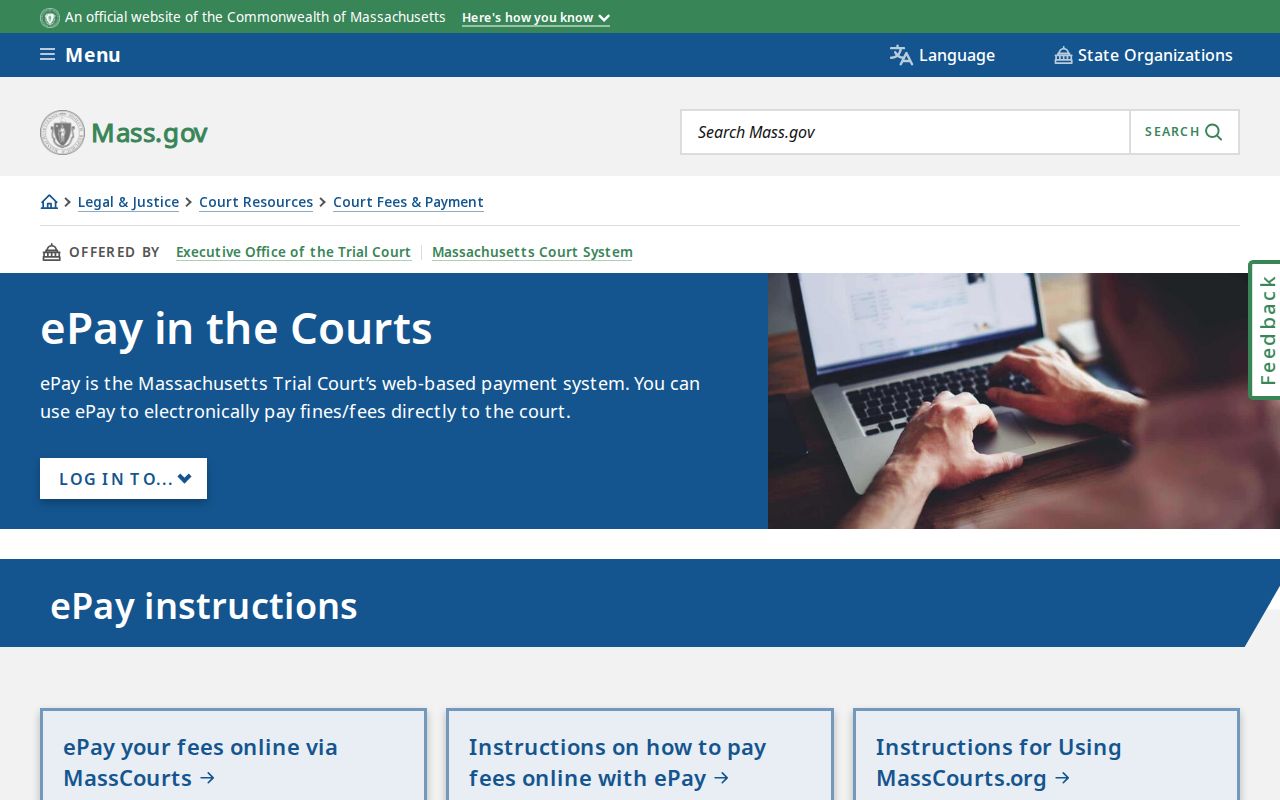
Keep the receipt with the case number written on it.
No City Warrant Roster Was Located in Norfolk County
No Norfolk County municipality publishes a list of people with outstanding city warrants. The county posts no public active-warrant roster either. The Sheriff's Office explains that it is not the arresting authority for local process, which is why a search there comes up empty. So work from the citation, the docket, and the clerk. Treat any third-party list as unverified, because those lists are not court records and cannot confirm a warrant's status. A missing search result is not a clearance. Note: only the clerk can confirm a warrant's status.