
Norfolk County Bench Warrants Explained
A Norfolk County bench warrant grows out of a missed obligation to the court itself. That could be an arraignment, a pretrial date, a trial, a probation hearing, or an order to pay. Once the date passes, the court records a default, and the warrant attaches to that default rather than to any new charge. Two facts follow from this, and both matter. The court that recorded the default is the only one that can recall it. Meanwhile the warrant can sit in the state warrant system while the public docket shows nothing more than a default entry. A reader who stops at the docket can misread the situation badly, in either direction, so confirm with the clerk before assuming anything either way.
Norfolk County Default and Bench Warrants
Massachusetts statutes call it a default warrant. Norfolk County clerks, police, and defense attorneys still say bench warrant, but the two phrases point to the same court order. A related term, failure to appear, names the missed date that caused the default.
- Default
- The court status entered after a missed appearance or a failure to comply, which can be removed for good cause.
- Default warrant
- The warrant tied to a recorded default, including bail or recognizance defaults and certain unpaid court amounts.
- Failure to appear (FTA)
- Not showing up for a required court date or proceeding.
- Recognizance
- A release promise, usually personal, conditioned on appearing and staying out of trouble.
- Capias
- A civil process term used by the Sheriff's Civil Process Division for judgment enforcement, not a criminal warrant.
How Norfolk County Bench Warrants Are Issued
Before any warrant exists, the case has to reach a court date. Rule 6 of the criminal rules lets a warrant issue when a summons fails or when the prosecutor shows an arrest is needed to secure an appearance. The failure-to-appear statute treats nonappearance itself as something the court can address by warrant. From there the mechanics are straightforward. The court first records the default. The issuing clerk then enters the warrant data and routes it to the police department responsible for service in Norfolk County. The subject is entitled to written notice naming the issuing court, describing the charge, and explaining how to clear the warrant and what happens if it is ignored. That notice is worth reading closely, because it names the one court that controls the recall.
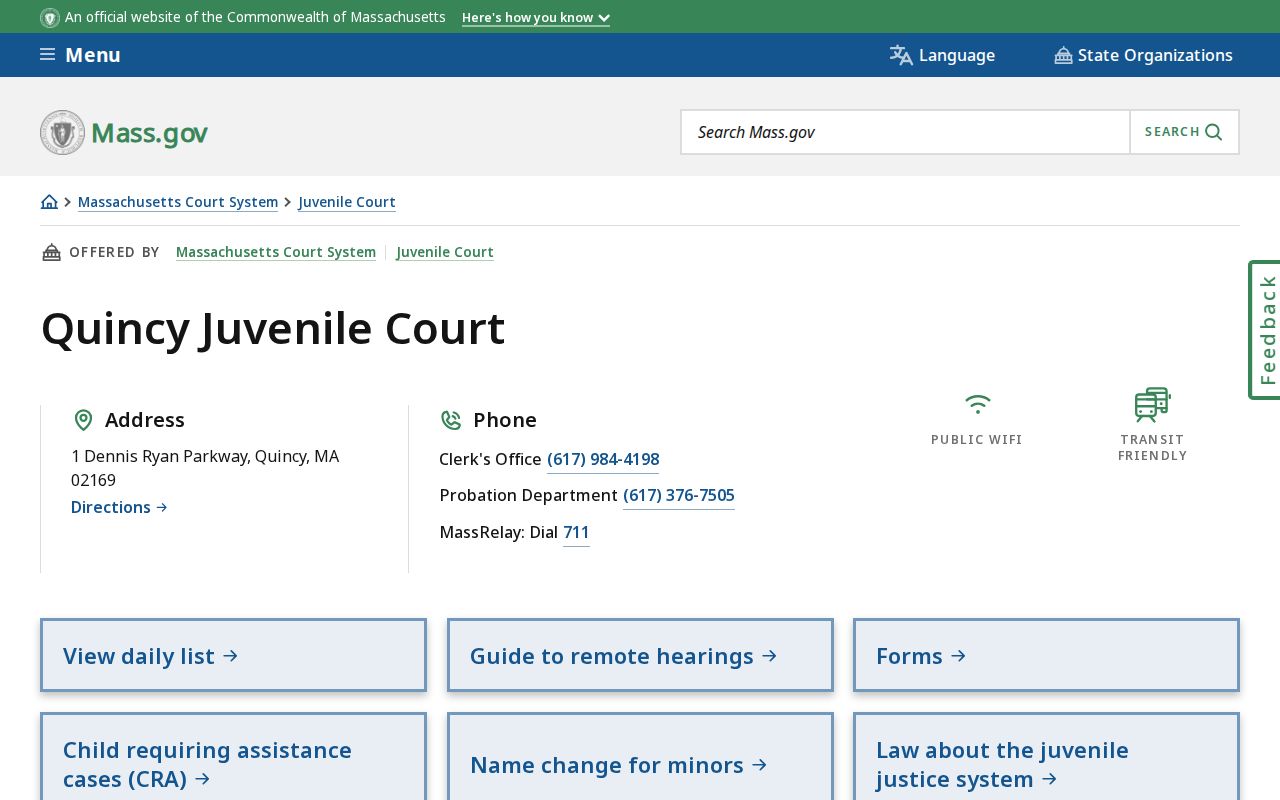
That routing rule is why a juvenile default never lands on the adult docket in Norfolk County.
Norfolk County Warrant Courts by Town
The courthouse that matters is the one serving the municipality where the case was filed. Quincy District Court handles Braintree, Cohasset, Holbrook, Milton, Quincy, Randolph, and Weymouth. Dedham District Court takes Dedham, Dover, Medfield, Needham, Norwood, Wellesley, and Westwood. Stoughton covers Avon, Canton, Sharon, and Stoughton. Wrentham serves Foxborough, Franklin, Medway, Millis, Norfolk, Plainville, Walpole, and Wrentham. Brookline stands alone. Calling the wrong division is the most common mistake in a Norfolk County default warrant question, because staff there cannot see the file. Their answer will be incomplete rather than wrong.
Bench Warrants and Arrest Warrants Compared
Both papers let an officer take a person into custody, which is why people in Norfolk County use the terms interchangeably. The difference is what prompted the process. It also decides which office to call first.
| Point | Default or Bench Warrant | Arrest Warrant |
|---|---|---|
| Trigger | Missed court date, broken release condition, or unpaid court money | Criminal complaint or indictment, based on probable cause |
| Issued by | The court that recorded the default | A District Court, or Superior Court after indictment |
| First call | Clerk-magistrate for the issuing court | Defense counsel, then the court that issued the process |
| Common result | Default removal and recall, sometimes with a fee | Arraignment, bail decision, and a case schedule |
Good Cause and Norfolk County Warrant Removal
Removal is discretionary, so the reason for the missed date carries real weight in Norfolk County. A hospital stay, a notice sent to an old address, or a death in the family is the kind of fact a court can act on. Proof beats explanation. The court may also ask probation to gather information before a judge decides.
- Call the issuing clerk-magistrate's office and confirm the court's own removal procedure.
- Gather documents that explain the absence, such as medical records or mail returned to sender.
- Arrive early in the day if the court requires an in-person appearance, since clerk, probation, and judge time adds up.
- Bring photo identification, the docket number, and a way to pay any fee the court assesses.
- Ask for written proof of the recall and keep a copy.
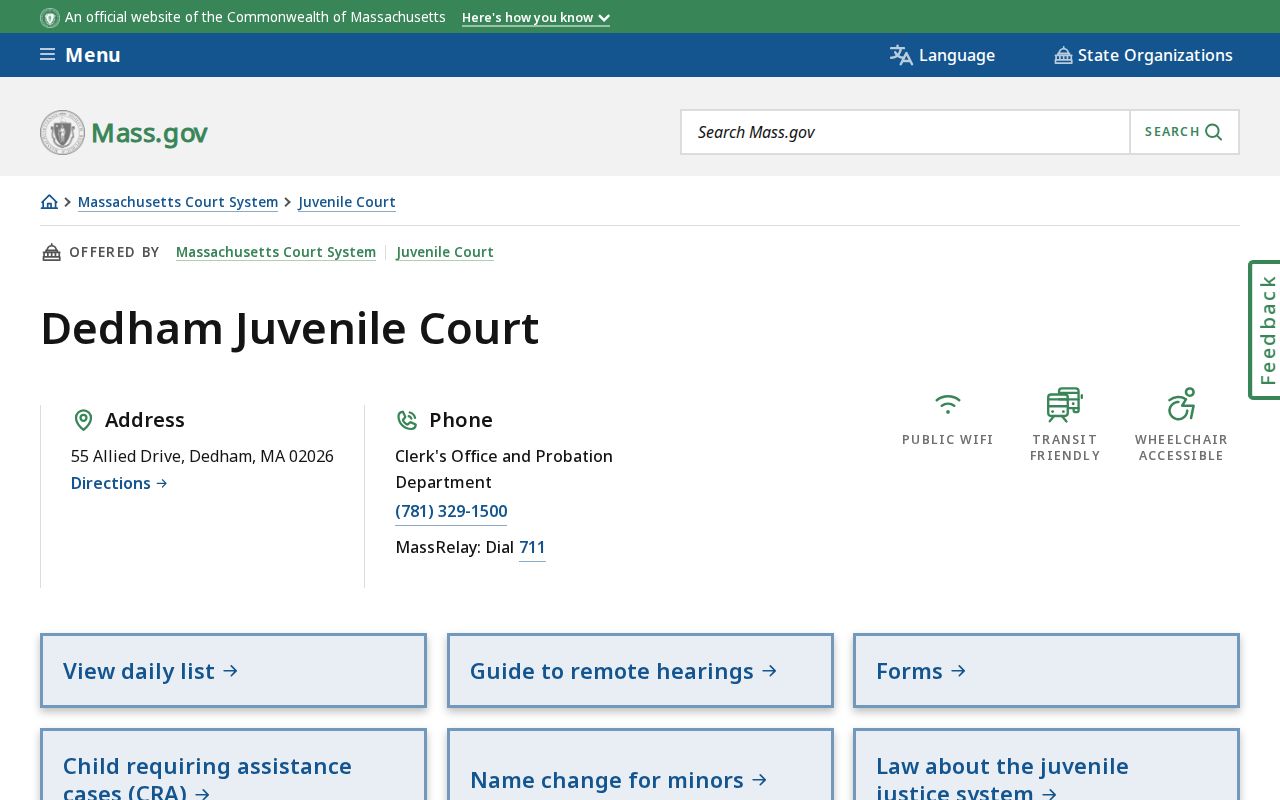
Find the building first, then the clerk, then the docket number.
Resolving a Norfolk County Bench Warrant
A default warrant can be resolved in Norfolk County by removal of the default, by payment when the default is only about money, or by an appearance that puts the case back on track. Payment-only defaults follow their own statute. Those can often be handled by mail, telephone, or an approved electronic payment once the court confirms the amount.
Caution: A bench warrant does not disappear because a payment was made. Confirm with the clerk that the default was discharged and the warrant recalled.
Waiting has consequences in Norfolk County. An officer can serve the warrant at any time, an unresolved default can affect release decisions on a later case, and the fee grows if an arrest is made. A defense attorney can ask the court to schedule a recall hearing when appearing in person is not practical. Note: A recall entered in the court's system can take a day or more to reach the police network that runs the warrant check.
The $50 Recall Fee and the $75 Arrest Fee
Two fees come up most often in a Norfolk County default warrant matter. The statutory fee to recall a default warrant is $50, and a court may waive it for good cause or substantial financial hardship. A separate $75 arrest fee applies when a person is arrested on a warrant that followed a bail, recognizance, or probation default, and a judge may substitute community service where hardship applies. A payment-only default warrant adds a $50 assessment on top of the amount owed, waivable under the same hardship standard. Ask the clerk which fee applies before paying anything. Keep the receipt.
Finding the Court That Issued the Warrant
The fastest route is paperwork. A summons, a citation, or an old court notice carries the court name and a docket number. The division code inside that number confirms the Norfolk County courthouse.
No clue which court issued it? Work from the town outward. Its District Court division comes first, Superior Court only on an indicted case, and Norfolk County juvenile matters go to the Dedham, Quincy, or Stoughton Juvenile Court clerk.
Keeping the Civil Capias Separate
In Massachusetts, the word capias has a civil life too. The Norfolk County Sheriff's Civil Process Division serves one on a person who owes a civil judgment. Its published practice starts gently. A voluntary court date comes first. The debtor gets three chances to appear before any physical arrest is attempted. Costs and options vary with each capias. None of this touches a criminal default warrant, and it sits apart from the warrant system police use. Treat a civil capias as a debt matter in Norfolk County. Call the Civil Process Division, not a District Court criminal clerk. Note: a civil capias and a criminal default warrant follow different rules, different offices, and different payment channels.